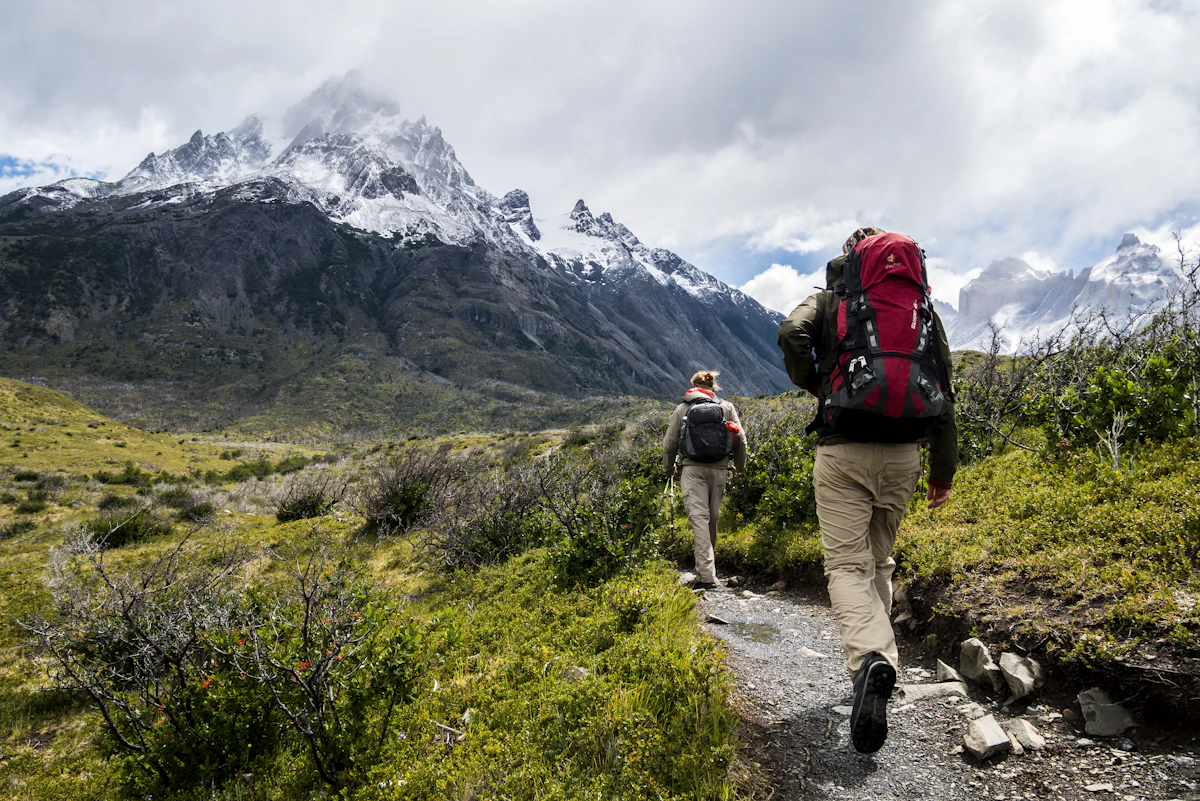
When a long fall breaks a bone, when a pot of boiling water scalds an arm, when a lead fall pitches a climber into rock — these are the moments that test wilderness first aid skills. In town, you call an ambulance and wait. In the wilderness, you manage the injury for hours or days before evacuation is possible. The decisions you make in the first minutes shape outcomes for weeks.
Fractures and Splinting
Long bone fractures — femur, tibia, humerus — are among the most serious wilderness injuries. The femur alone carries the weight of the entire body; a femur fracture makes walking impossible and causes severe internal bleeding. The immediate priorities: assess ABCs (the fracture may have damaged blood vessels), control any external bleeding, immobilize the fracture site, and manage pain.
Effective splinting requires three points of immobilization: the joint above the fracture, the fracture itself, and the joint below. Padding between the splint and the limb prevents pressure sores. The splint should be firm but not tight — check circulation below the splint regularly (pulse, capillary refill, sensation). For a femur fracture, a traction splint is ideal but requires specific equipment; improvising a traction splint from trekking poles and cordage is possible with practice.
Burns
Burns are categorized by depth: first-degree (superficial, red, painful), second-degree (blistering), and third-degree (full thickness, leathery, painless). In wilderness situations, all burns require the same initial response: remove the heat source, cool the burn with clean water (not ice), and cover with a sterile dressing. Do not pop blisters — they are natural wound protection. Antibiotic ointment and non-stick dressings help prevent infection.
Severe burns (second-degree over more than 10% of body surface, or any third-degree burn) require evacuation. Burns contract as they heal, so joints near burned areas must be immobilized in functional positions — a burned hand should be splinted in a fist position, not flat. Chemical burns require flushing with water for 20+ minutes. Electrical burns may have internal damage invisible from outside.
Spinal Injury
Spinal injury is possible with any high-impact trauma: falls, vehicle accidents, diving into shallow water. The warning signs: neck or back pain, numbness or tingling, weakness, loss of bladder/bowel control. If spinal injury is suspected, do not move the person unless they are in immediate danger. Stabilize the head and neck in the position found using your hands, rocks, or whatever materials are available.
Movement of a spinal injury patient should be minimized and done as a team with inline stabilization of the head and neck. AnyLog roll technique with multiple rescuers is ideal. A spinal injury patient who is breathing should be kept in neutral alignment — turning them to manage airway requires log-rolling the entire body as a unit.
Puncture Wounds
Puncture wounds — from knives, hooks, sticks, or animal bites — carry high infection risk because they drive bacteria deep into tissue without allowing drainage. The protocol: clean the wound surface, irrigate thoroughly with clean water under pressure (a syringe or squeezed water bottle works), remove visible debris, dress to allow drainage, and monitor closely for infection.
Animal bites require additional consideration: rabies is endemic in many regions, and any mammal bite should be considered potentially rabid. Scrub the wound thoroughly with soap and water, apply antibiotic ointment, and seek medical evaluation for rabies post-exposure prophylaxis. The animal, if captured, should be tested for rabies — do not destroy the head.
Evacuation Decisions
The key question in wilderness trauma is when to evacuate versus when to manage in place. Criteria for urgent evacuation: compromised airway or breathing, uncontrolled bleeding, signs of shock, suspected spinal injury, severe burns, altered consciousness, or femur/femoral shaft fracture. These injuries cannot be managed overnight in the field without significant risk.
Managing in place is appropriate for isolated fractures of small bones, minor burns, superficial wounds, and stable patients with non-life-threatening injuries. The decision framework: can this injury be managed with my current resources and skill level? Can I monitor for deterioration? Will delay in evacuation worsen the outcome? If the answer to any of these is uncertain, evacuate.
Related Articles
- First Aid Severity Score — Assess injury urgency
- Rewarming Time Calculator — Frostbite and hypothermia treatment
- Wilderness First Aid Basics — Core first aid principles